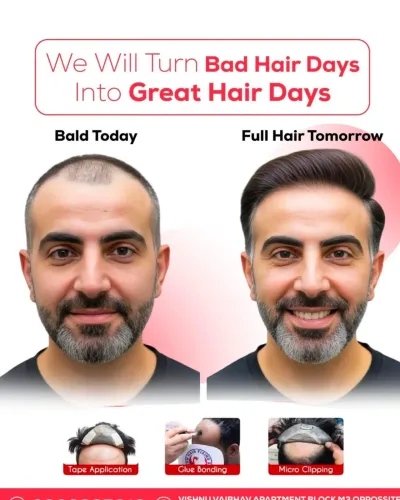


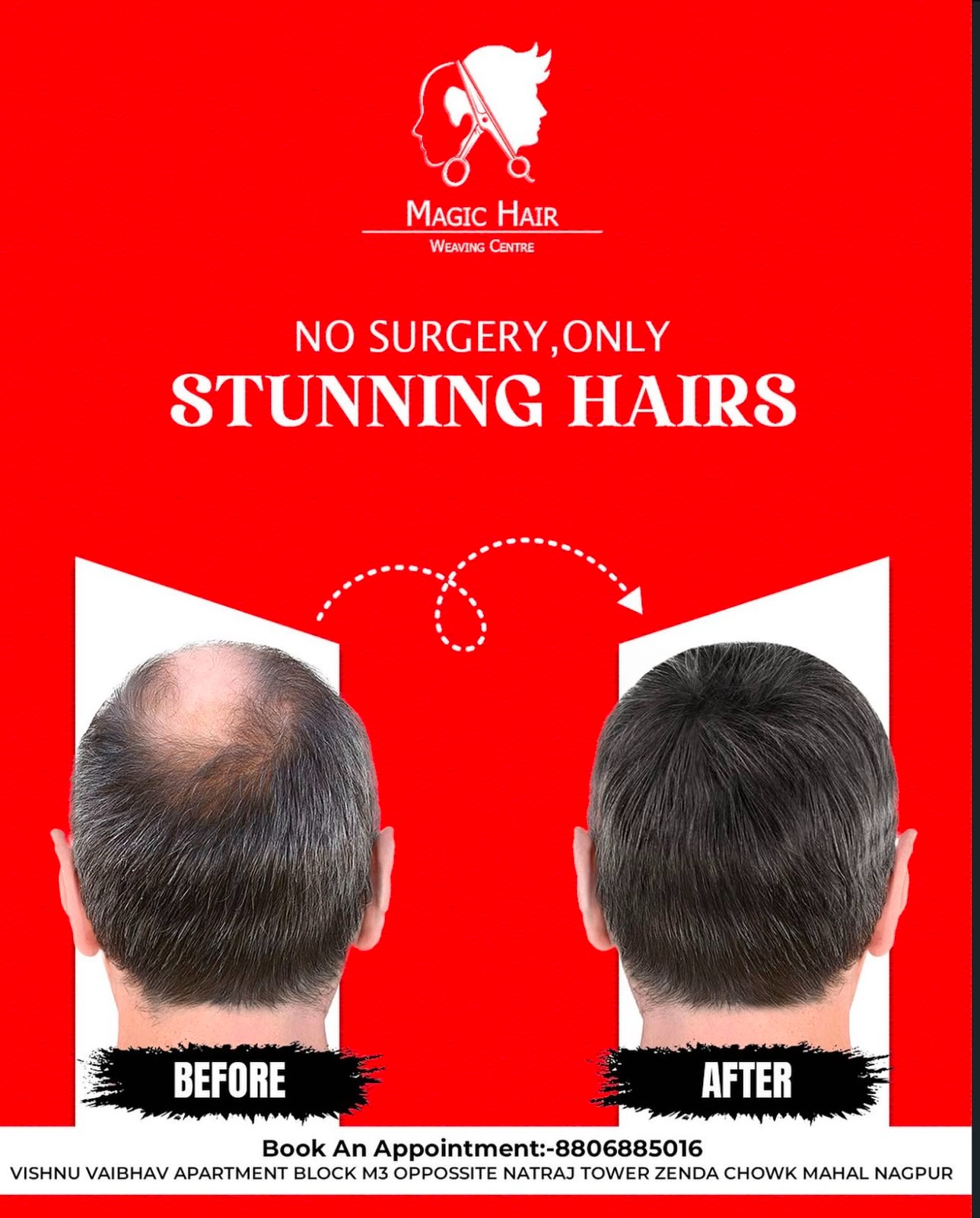
Two people can have similar levels of hair loss yet require noticeably different replacement systems. Face shape, remaining hair, scalp coverage, hair texture, density, lifestyle, plus preferred hairstyle can all change what works.
A custom hair bonding system is designed around these individual characteristics rather than relying on a one-size-fits-all approach.
Coverage should match the hair-loss pattern
Hair loss can affect the frontal area, crown, top of the scalp, or several regions together.
The required base should correspond to the actual area needing coverage.
Using an unnecessarily large system may cover healthy natural hair. Choosing one that is too small may leave thinning areas exposed.
Proper measurement therefore forms an important part of customization.
Hairline design changes the entire appearance
The hairline is one of the most visible parts of a replacement system.
Its height plus shape should complement the wearer's age, facial proportions, remaining hair, plus styling preference.
Some people want hairstyles that expose the forehead. Others prefer a fringe or forward styling. These choices can influence how the frontal section should be prepared.
Density should be personalized
A standard high-density system can look out of place when natural hair around the sides is thin.
Customization allows density to be selected with the wearer's existing hair in mind.
For mature users, slightly restrained density may sometimes produce a more believable appearance. Younger users with naturally thick side hair may suit a different level.
The purpose is visual balance rather than maximum volume.
Texture affects blending
Replacement hair should behave similarly to the natural hair around it.
A custom system can take into account whether the wearer's hair is straight, wavy, curly, fine, or coarse.
This helps make the final haircut easier to blend plus style.
Texture becomes particularly important for people who prefer medium-length or longer hairstyles where movement is more noticeable.
Lifestyle should influence the specification
Customization is not only about appearance.
Someone who works outdoors in Nagpur may experience considerable heat plus perspiration. A regular gym user may have another set of requirements. Frequent helmet users also need to discuss their routine before fitting.
A personalized consultation can consider
- Typical working environment
- Exercise habits
- Commuting
- Helmet use
- Styling preferences
- Maintenance availability
- Desired wearing pattern
These factors help determine what type of system is practical.
Colour matching needs careful observation
Choosing a colour from a generic description can be misleading.
Natural black, soft black, dark brown, plus mixed grey shades can appear quite different when placed next to existing hair.
Grey percentage can also matter for clients whose natural hair has begun changing with age.
Customization allows the replacement hair to coordinate more closely with the hair that remains.
Styling completes the process
A custom system is not finished simply because it has been attached.
The hair usually needs to be cut plus blended according to the intended hairstyle.
A suitable stylist considers how the replacement section meets natural hair around the sides plus back. Length, layering, direction, plus volume can then be adjusted to create a unified appearance.
Customization can simplify future maintenance
When a system is selected around real lifestyle requirements, the wearer has a clearer idea of how to care for it.
Maintenance frequency, cleaning practices, styling products, plus follow-up servicing can be discussed from the beginning.
Magic Hair Weaving Centre in Nagpur provides custom hair replacement consultations for people looking for a system matched to their coverage area, appearance, plus routine.
For customers across Nagpur, Maharashtra, personalization can be particularly useful because local heat, commuting habits, professional appearance, plus individual styling preferences all affect practical suitability.
A custom hair bonding system is ultimately about proportion. The system should complement the person rather than becoming the first thing people notice.